- Home
- Blog
- Blog Post Formatting Guides
- How to Switch from WordPress Gutenberg Editor to Classic Editor: A Step-by-Step Guide
How to Switch from WordPress Gutenberg Editor to Classic Editor: A Step-by-Step Guide
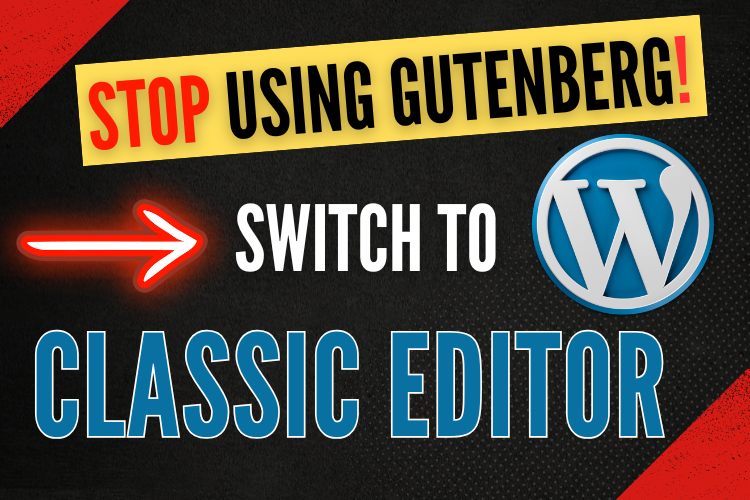
If you’re a WordPress user, you may have come across the newer Gutenberg block editor, introduced with WordPress 5.0. While it’s packed with modern features and flexibility, not everyone is a fan.
In fact, many users still prefer the simplicity and familiarity of the Classic Editor. Whether you’re one of those users or just want to switch between the two, this guide will walk you through the simple process of reverting from the Gutenberg editor to the Classic Editor in WordPress.
For those who prefer visual instructions, watch the following video to see each step in action.
Understanding the Difference: Gutenberg vs. Classic Editor
Before we dive into the tutorial, let’s briefly discuss the difference between these two editors. The Gutenberg editor is a block-based editor where content is arranged in blocks.
This makes it easier to customize layouts, embed multimedia, and design posts visually without the need for coding knowledge. However, the learning curve can be steep for some users.
On the other hand, the Classic Editor offers a simple, familiar interface similar to traditional word processors like Microsoft Word. It doesn’t use blocks but rather a straightforward content area where you can write and format posts in one go.
For users who’ve been on WordPress for years, the Classic Editor can feel like home, which explains its popularity.
Why Switch Back to the Classic Editor?
There are several reasons you might want to switch back to the Classic Editor:
- Simplicity: The Classic Editor is much easier for writing quick blog posts without the need to arrange or manage blocks.
- Compatibility: Certain plugins and themes may not yet be optimized for Gutenberg, and sticking with the Classic Editor can avoid compatibility issues.
- Personal Preference: If you’ve been using WordPress for a while, you might simply prefer the old-school approach to content creation.
Step-by-Step Guide: Switching from Gutenberg to Classic Editor
Now, let’s get into the actual process of switching back to the Classic Editor. We’ll use a WordPress plugin to achieve this.
Step 1: Accessing the Plugin Area
The first step is to log into your WordPress dashboard and navigate to the plugin section. You’ll find this on the left-hand sidebar. Click on “Plugins” and then “Add New” to start.
Step 2: Searching for the Classic Editor Plugin
Once you’re on the plugin page, you’ll see a search bar in the top-right corner. Type in “Classic Editor” and hit Enter. The plugin we’re looking for should be the first result.
Step 3: Installing the Plugin
When you find the Classic Editor plugin, click “Install Now.” This process will take just a few seconds.
Step 4: Activating the Classic Editor Plugin
Once the installation is complete, you’ll see an option to activate the plugin. Click on “Activate” to enable the Classic Editor on your WordPress site.
Step 5: Checking the Editor
Now that the plugin is activated, visit the “Add New Post” page to confirm the Classic Editor is in place. You should see the older, more traditional editor interface instead of the Gutenberg block editor.
Configuring the Classic Editor Plugin
The Classic Editor plugin also gives you some configuration options, so let’s quickly go over them.
- Default Editor for All Users: In the plugin settings, you can choose whether the Classic Editor or Gutenberg should be the default editor for all users on your site. If you’re permanently switching to the Classic Editor, select “Classic Editor” here.
- Allow Users to Switch Editors: You can also enable an option to let users switch between the Classic and Gutenberg editors. This is useful if you want the flexibility to use either editor depending on the type of post you’re creating.
- Save Your Changes: After adjusting your settings, make sure to click “Save Changes” to apply them.
How to Switch Back to Gutenberg from Classic Editor
If at any point you want to return to the Gutenberg editor, it’s incredibly simple. From within the Classic Editor, you’ll see a button labeled “Switch to Block Editor” on the right-hand side of the screen.
Clicking this will take you back to the Gutenberg editor.
Additionally, when you switch back to Gutenberg, any content previously written in the Classic Editor will appear as a “Classic Block.” You can easily convert this block into individual Gutenberg blocks by clicking “Convert to Blocks.”
FAQs
Conclusion
Switching from the Gutenberg block editor to the Classic Editor in WordPress is a breeze with the help of the Classic Editor plugin. This guide has walked you through the process step-by-step, and if you need more visual instructions, don’t forget to check out the video above.
If you’re looking for more tips and tricks like this, subscribe to our YouTube channel to stay updated with the latest WordPress tutorials. For more personalized help with formatting and publishing your blog posts, you can check out our Blog Post Formatting Service to make your content truly shine.
If you have any further questions or need help troubleshooting, feel free to contact us. We’re here to make sure your WordPress experience is smooth and hassle-free!