Better Blog Formatting. Better Presentation. Better Search Results. Get Started
Facebook LinkedIn WhatsApp YouTube
Post Uploader
  • Home
  • About
    • About Us
    • Leadership Team
    • Recognition & Trust
    • Request Consultation
    • Help & FAQs
    • Careers
    • Contact Us
  • Pricing Plans
  • Services

    Our Services

    • Blog Formatting & Publishing
    • eCommerce Product Listing
    • Website Content Population
    • AI Workflow Automation
    • Starter Website Package
    • Virtual Assistant Support

    Our Clients

    • Digital Marketing Agencies
    • Small & Growing Businesses
    • Startup Companies
    • SaaS Companies
    • Travel & Lifestyle Blogs
    • Recipe & Food Websites
  • Case Studies
  • Blog
Get in Touch Get in Touch
  • Home
  • Blog
  • Blog Post Formatting Guides
  • How to Create Tables in WordPress: Easy Guide for Beginners
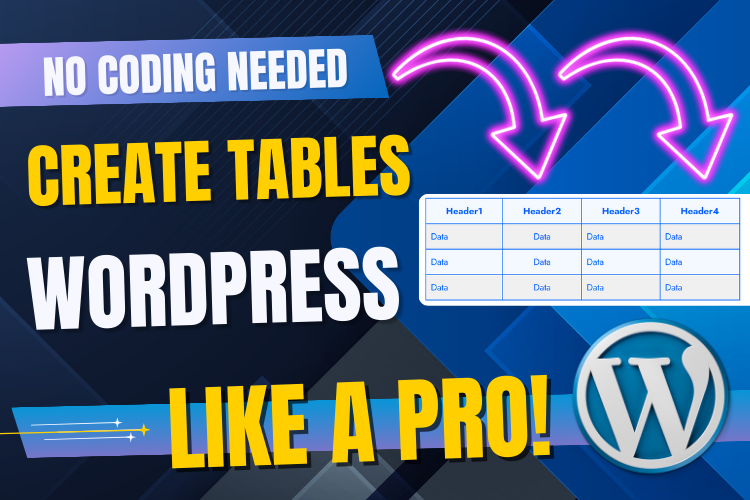
How to Create Tables in WordPress
Classic Editor Table PluginGutenberg Editor TablesHow to Create Tables in WordPressWordPress Blog Formatting TipsWordPress Table Creation
PostUploader.com
December 1, 2024
Blog Post Formatting Guides
0 Comments:

How to Create Tables in WordPress: Easy Guide for Beginners

WordPress is a powerhouse for creating and managing content, but many users often struggle with formatting, especially when it comes to tables. Whether you’re showcasing data, organizing information, or adding a touch of professionalism to your posts, tables play an essential role.

This guide walks you through how to create tables in WordPress using both the Gutenberg and Classic Editor. Let’s dive into this step-by-step tutorial and ensure your blog stands out!

Watch the Tutorial Video

For a detailed walkthrough, watch the video below:

  • Watch the Tutorial Video
  • Understanding the Importance of Tables in WordPress
  • Creating Tables Using Gutenberg Editor
    • Step 1: Access the Post Editor
    • Step 2: Adding a Table Block
    • Step 3: Customize Rows and Columns
    • Step 4: Adjust Table Options
      • Example Table:
  • Styling Options in Gutenberg
    • 1. Text and Background Colors
    • 2. Stripe Design
  • Creating Tables Using Classic Editor
    • Step 1: Install the Plugin
    • Step 2: Add a Table
    • Step 3: Style and Customize
  • Advanced Customization Tips
  • Why Choose PostUploader for Blog Formatting?
  • Frequently Asked Questions
  • Conclusion

Understanding the Importance of Tables in WordPress

Tables are more than just data presentation tools; they add clarity, structure, and visual appeal to your posts. Readers can quickly grasp complex information when it’s displayed in an organized format. This makes tables invaluable for bloggers, educators, and e-commerce websites.

But what if formatting a table feels overwhelming? Don’t worry—WordPress makes it easy, whether you’re using the Gutenberg Editor or the Classic Editor.

Good formatting is the bridge between information and understanding.

Creating Tables Using Gutenberg Editor

Step 1: Access the Post Editor

Start by logging into your WordPress dashboard. Navigate to the All Posts section and choose the post where you want to add a table. Click on Edit to open the Gutenberg editor.

Step 2: Adding a Table Block

  1. Click the + (Add Block) button where you want the table to appear.
  2. Search for the “Table” block and select it.

Step 3: Customize Rows and Columns

A prompt will appear, asking you to define the number of rows and columns. For example:

  • Rows: 3
  • Columns: 4

Click Create Table to generate it.

Every detail matters, even the smallest one, when it comes to user experience.

Step 4: Adjust Table Options

Gutenberg offers a host of customization options:

  • Fixed Width: Use this to make cells the same size regardless of content.
  • Dynamic Adjustment: Allow cells to resize based on the text they contain.
  • Headers and Footers: Enable a header for column titles and a footer for notes.

Example Table:

NameEmailPhoneComments
Johnjohn@example.com+123456789Pending Approval
Marymary@example.com+987654321Approved

Styling Options in Gutenberg

1. Text and Background Colors

Use the right-side panel to choose text and background colors for your table.

For instance:

  • Accent text colors for emphasis.
  • A contrasting background to highlight specific rows.

2. Stripe Design

Opt for a striped table design to differentiate rows visually.

To enable this:

  1. Go to the table settings on the right.
  2. Select Stripe Design and refresh the preview.

Creating Tables Using Classic Editor

If you prefer the Classic Editor, tables aren’t built-in, but plugins like Advanced Editor Tools simplify the process.

Step 1: Install the Plugin

  1. Navigate to the Plugins section in WordPress.
  2. Search for Advanced Editor Tools (formerly TinyMCE Advanced).
  3. Install and activate the plugin.

Step 2: Add a Table

  1. Open the post you want to edit in the Classic Editor.
  2. Use the plugin toolbar to select Table > Insert Table.
  3. Define the number of rows and columns as needed.

Step 3: Style and Customize

  • Borders: Add solid, dashed, or dotted borders for clarity.
  • Headers: Highlight the top row as a header for better readability.
  • Text Alignment: Align text centrally for a polished look.

Advanced Customization Tips

  1. Typography Options: Change font size, style, and letter spacing directly within the editor.
  2. Cell Properties: Adjust padding, spacing, and cell height for a clean layout.
  3. Additional Rows and Columns: Easily add or remove rows and columns as your table evolves.

Why Choose PostUploader for Blog Formatting?

At PostUploader, we specialize in SEO-friendly blog post formatting. Whether it’s adding tables, embedding visuals, or enhancing readability, we’ve got you covered. Contact us here for personalized assistance.

Frequently Asked Questions

You can use the Gutenberg Editor, which includes a built-in Table block for quick creation.

Advanced Editor Tools (formerly TinyMCE Advanced) is a reliable plugin for adding and styling tables.

Yes, both Gutenberg and Classic Editors allow you to change text and background colors.

Enable the header option in Gutenberg or set the top row as a header in Classic Editor.

Default tables have a single background, while striped tables alternate row colors for better readability.

Absolutely! Both editors offer alignment options like center, left, and right alignment.

Conclusion

Creating tables in WordPress doesn’t have to be daunting. Whether you prefer the modern Gutenberg Editor or the Classic Editor, this guide equips you with the tools to create and customize tables effortlessly. For a complete visual tutorial, watch the embedded YouTube video above.

And don’t forget to subscribe to our YouTube channel for more tutorials. For tailored assistance with blog post formatting, reach out to us at PostUploader.

Good design is a language, not a style.

  • Classic Editor Table Plugin
  • Gutenberg Editor Tables
  • How to Create Tables in WordPress
  • WordPress Blog Formatting Tips
  • WordPress Table Creation
Share
Prev Post Next Post

Recent Posts

Before vs. After: How Blog Post Formatting Transforms the Same Content
May 19, 2025
Blog Post Formatting Services
Weekly Blog Post Formatting Services: Save Time and Improve Quality
May 4, 2025
how to format a blog post
How to Format a Blog Post Like a Pro: The Ultimate Guide to Presenting Your Blog Beautifully
Apr 9, 2025

Tags

  • Adding Featured Images
  • Add Media and Text in WordPress
  • Add Text Over Images in WordPress
  • AffiliateX Plugin
  • Affiliate X Plugin
  • Blog Engagement
  • blog formatting
  • Blog Formatting Tips
  • Blogging Tips
  • Blog Post Formatting
  • Blog Post Optimization
  • Business
  • classic editor
  • Combine Media and Text in WordPress
  • Digital
  • Funds
  • Gutenberg editor
  • Gutenberg Editor Tips
  • Install Jetpack Plugin
  • Jetpack Features Guide
  • Kadence Block
  • Kadence Blocks
  • Leadership
  • SEO Optimization
  • Tech
  • Text Overlay in WordPress
  • WordPress Blog Optimization
  • WordPress Blog Post Formatting
  • WordPress Blog Tips
  • WordPress Content Management
  • WordPress Customization
  • WordPress Design Without Photoshop
  • WordPress Editing Tips
  • WordPress formatting
  • WordPress Image Upload
  • WordPress Media and Text Block
  • WordPress Plugin
  • WordPress Plugins
  • WordPress SEO
  • WordPress Text Formatting
  • WordPress Tips
  • WordPress Tutorial
  • WordPress tutorials
  • WordPress user roles
  • WordPress without Plugins
PostUploader.com

Post Uploader LLC

75 E 3rd St Sheridan, WY 82801, USA info@postuploader.com +1 (307) 310-2432

We accept payments via Stripe, including Visa, MasterCard, American Express, Discover, and other major credit and debit cards.

About

  • About Us
  • Recognition & Trust
  • Leadership Team
  • Blog

Our Services

  • Blog Formatting & Publishing
  • eCommerce Product Listing
  • Website Content Population
  • AI Workflow Automation
  • Starter Website Package
  • Virtual Assistant Support

Our Clients

  • Small & Growing Businesses
  • Digital Marketing Agencies
  • IT & Technology Businesses
  • eCommerce Businesses
  • Bloggers & Niche Websites
  • Physiotherapy & Healthcare Websites

Important Links

  • Privacy Policy
  • Terms of Service & Refund Policy
  • Request Consultation
  • FAQ's
  • Careers
  • Contact Us

©2022 - Post Uploader, All Rights Reserved.

PostUploader
Our specialist team understands the importance of maintaining a lasting relationships with clients to deliver specific investment solutions.
Contact Us

Contact Info

75 E 3rd St Sheridan, WY 82801, USA info@postuploader.com +1 (307) 310-2432
Live Chat
1
Scan the code
Message Us on WhatsApp
Hello,
Welcome to PostUploader.com
May I help with your Blog Post Formatting and Publishing?
Start a Chat