Better Blog Formatting. Better Presentation. Better Search Results. Get Started
WhatsApp LinkedIn Facebook YouTube
Post Uploader
  • Home
  • About
    • About Us
    • Leadership Team
    • Recognition & Trust
    • Request Consultation
    • Help & FAQs
    • Careers
    • Contact Us
  • Pricing Plans
  • Services

    Our Services

    • Blog Formatting & Publishing
    • eCommerce Product Listing
    • Get a Website
    • Website Content Population
    • AI Workflow Automation
    • Virtual Assistant Support

    Our Clients

    • Digital Marketing Agencies
    • Small & Growing Businesses
    • Startup Companies
    • SaaS Companies
    • Travel & Lifestyle Blogs
    • Recipe & Food Websites
  • Case Studies
  • Blog
Get in Touch Get in Touch
  • Home
  • Blog
  • Blog Post Formatting Guides
  • How to Add No-Follow, Do-Follow, and Sponsored Links in WordPress for Better SEO
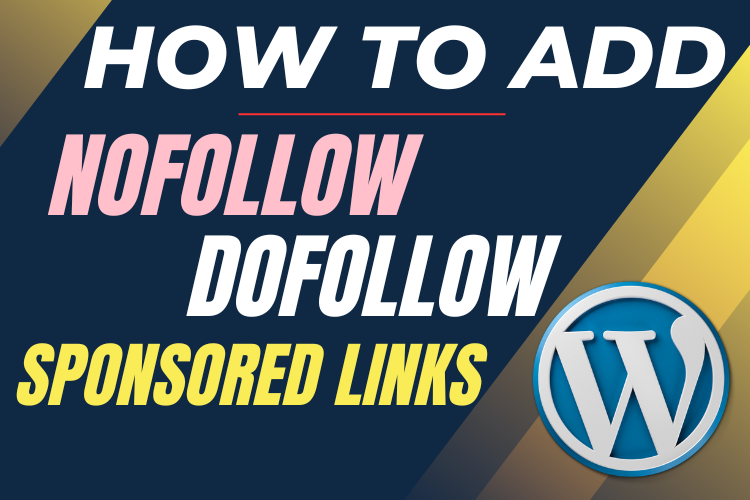
How to Add Nofollow, Dofollow, and Sponsored Links in WordPress (Gutenberg & Classic Editor)
Add no-follow links in WordPressClassic editor link customizationGutenberg editor link optionsSponsored links for SEOWordPress link settings
PostUploader.com
October 30, 2024
Blog Post Formatting Guides
0 Comments:

How to Add No-Follow, Do-Follow, and Sponsored Links in WordPress for Better SEO

In today’s digital landscape, linking has become an essential SEO strategy. By using no-follow, do-follow, and sponsored links effectively, websites can improve their ranking, enhance authority, and maintain transparency with search engines like Google.

This guide will walk you through every step for adding these types of links in both Gutenberg and Classic WordPress editors, helping you take control of your website’s SEO value and credibility.

For visual learners, be sure to check out the video tutorial below to see these steps in action.

Watch the following video for visual instructions on adding no-follow, do-follow, and sponsored links in WordPress:

Before we dive into the process, let’s explore what each link type means, why they matter, and when to use each.

  • Understanding No-Follow, Do-Follow, and Sponsored Links
    • No-Follow Links
    • Do-Follow Links
    • Sponsored Links
  • Why Link Attributes Matter for SEO
  • How to Add No-Follow, Do-Follow, and Sponsored Links in WordPress
    • Adding Link Attributes in the Gutenberg Editor
    • Adding Link Attributes in the Classic Editor
  • Ensuring SEO Success with Proper Link Usage
  • Frequently Asked Questions
  • Conclusion

Understanding No-Follow, Do-Follow, and Sponsored Links

Each link type serves a unique purpose and impacts how search engines perceive your content. Knowing when to use them is critical to optimizing your site’s SEO and maintaining transparency in your link strategy.

No-Follow Links

A no-follow link tells search engines not to pass SEO authority (or “link juice”) to the target website. This can be helpful if you want to link to a site without endorsing it or if you are linking to an external resource that doesn’t directly benefit your own site’s authority.

“No-follow links provide SEO flexibility, helping websites link without losing authority.”

Do-Follow Links

Do-follow links, on the other hand, allow search engines to follow the link and transfer authority. These links contribute to the SEO ranking of the linked site, making them valuable for websites you trust or want to endorse.

Sponsored Links

When you’re paid to include a link, either through a sponsorship or an affiliate partnership, it should be marked as sponsored. This keeps your site compliant with Google’s transparency guidelines and helps search engines understand that the link is part of a paid or compensated promotion.

Why Link Attributes Matter for SEO

Adding the right link attributes enhances your website’s transparency with Google, fosters trust among readers, and ensures proper SEO management. Misusing link types, however, can lead to penalties and a loss of ranking authority, making it crucial to apply each attribute appropriately.

“Maintaining the correct link attributes isn’t just a Google guideline; it’s a trust-building tool.”

How to Add No-Follow, Do-Follow, and Sponsored Links in WordPress

Whether you’re using the Gutenberg editor or the Classic editor, the steps below will guide you through the process of assigning link attributes.

Adding Link Attributes in the Gutenberg Editor

  1. Open the Post Editor:
    Go to your WordPress dashboard, select Posts > All Posts, and choose the post where you want to add the link. Open the post in Gutenberg by selecting Edit with Block Editor.
  2. Create a Link:
    Highlight the text you want to link and use the link icon to add a URL (e.g., https://www.example.com). After typing the URL, press Enter to create the link.
  3. Edit Link Options:
    Click the link again and select Edit. You’ll see additional options for no-follow and sponsored link settings, but to access these, you’ll first need an SEO plugin like RankMath or Yoast.
  4. Install an SEO Plugin (if needed):
    From your WordPress dashboard, go to Plugins > Add New, and search for either RankMath or Yoast SEO. Install and activate the plugin to enable link attribute options.
  5. Set Link Attributes:
    After installing the plugin, return to the link settings. In the Advanced tab, you’ll find options to mark the link as no-follow, sponsored, or to open in a new tab. Simply check the boxes as needed to set the correct attributes.

Adding Link Attributes in the Classic Editor

For those using the Classic editor, follow these steps to add no-follow, do-follow, and sponsored links.

  1. Open the Classic Editor:
    Go to Posts > All Posts in your dashboard and open the post in the Classic editor.
  2. Create a Link:
    Highlight the text, click the link icon in the toolbar, and paste the URL. After entering the URL, click Apply or press Enter to add the link.
  3. Access Link Settings:
    Click the link again, select the Edit (pencil) icon, and choose Link Options (gear icon). Here, you’ll find the same advanced options as in Gutenberg: no-follow, sponsored, and open in a new tab.
  4. Apply and Save:
    Choose the attributes based on your link type and save your settings. After finalizing, click Save Draft and Preview to check your settings.

Ensuring SEO Success with Proper Link Usage

Applying the correct attributes to your links not only enhances SEO but builds trust with your readers and search engines. Regularly reviewing your link strategy and adjusting for new updates can ensure ongoing compliance and credibility.

Frequently Asked Questions

No-follow links don’t pass authority, while do-follow links do, which can impact the SEO ranking of the linked site.

Sponsored link attributes should be used for affiliate or paid links to ensure compliance with Google’s guidelines on transparency.

Plugins like RankMath or Yoast SEO provide additional options for customizing link attributes directly within WordPress.

While no-follow links don’t pass authority, they still drive traffic and can establish a connection between websites without impacting SEO rankings.

Yes, you can mark a link as both no-follow and sponsored if it’s paid content that you don’t want passing SEO authority.

Conclusion

Using no-follow, do-follow, and sponsored links in WordPress can significantly impact your site’s SEO, authority, and compliance with Google’s guidelines.

By following the steps in this guide, you can easily manage these link types in both Gutenberg and Classic editors. For those seeking visual help, watch the video tutorial above for a step-by-step demonstration.

To stay updated on more WordPress tips, consider subscribing to our YouTube channel.

Need professional help setting up or managing your blog posts? Check out our Blog Post Formatting service. For any questions, feel free to contact us for guidance tailored to your unique needs.
  • Add no-follow links in WordPress
  • Classic editor link customization
  • Gutenberg editor link options
  • Sponsored links for SEO
  • WordPress link settings
Share
Prev Post Next Post

Recent Posts

Before vs. After: How Blog Post Formatting Transforms the Same Content
May 19, 2025
Blog Post Formatting Services
Weekly Blog Post Formatting Services: Save Time and Improve Quality
May 4, 2025
how to format a blog post
How to Format a Blog Post Like a Pro: The Ultimate Guide to Presenting Your Blog Beautifully
Apr 9, 2025

Tags

  • Adding Featured Images
  • Add Media and Text in WordPress
  • Add Text Over Images in WordPress
  • AffiliateX Plugin
  • Affiliate X Plugin
  • Blog Engagement
  • blog formatting
  • Blog Formatting Tips
  • Blogging Tips
  • Blog Post Formatting
  • Blog Post Optimization
  • Business
  • classic editor
  • Combine Media and Text in WordPress
  • Digital
  • Funds
  • Gutenberg editor
  • Gutenberg Editor Tips
  • Install Jetpack Plugin
  • Jetpack Features Guide
  • Kadence Block
  • Kadence Blocks
  • Leadership
  • SEO Optimization
  • Tech
  • Text Overlay in WordPress
  • WordPress Blog Optimization
  • WordPress Blog Post Formatting
  • WordPress Blog Tips
  • WordPress Content Management
  • WordPress Customization
  • WordPress Design Without Photoshop
  • WordPress Editing Tips
  • WordPress formatting
  • WordPress Image Upload
  • WordPress Media and Text Block
  • WordPress Plugin
  • WordPress Plugins
  • WordPress SEO
  • WordPress Text Formatting
  • WordPress Tips
  • WordPress Tutorial
  • WordPress tutorials
  • WordPress user roles
  • WordPress without Plugins
PostUploader.com

Post Uploader LLC

75 E 3rd St Sheridan, WY 82801, USA info@postuploader.com +1 (307) 310-2432

Secure Payments

Payments on this website are processed securely through Stripe.

We accept major credit and debit cards, including Visa, MasterCard, American Express, and Discover.

Additional payment methods such as Google Pay, Cash App Pay, Amazon Pay, and the express checkout option “Link” may also be available depending on your device and location.

About

  • About Us
  • Recognition & Trust
  • Leadership Team
  • Blog

Our Services

  • Blog Formatting & Publishing
  • eCommerce Product Listing
  • Get a Website
  • Website Content Population
  • AI Workflow Automation
  • Virtual Assistant Support

Our Clients

  • Small & Growing Businesses
  • Digital Marketing Agencies
  • IT & Technology Businesses
  • eCommerce Businesses
  • Bloggers & Niche Websites
  • Physiotherapy & Healthcare Websites

Important Links

  • Privacy Policy
  • Terms of Service & Refund Policy
  • Request Consultation
  • FAQ's
  • Careers
  • Contact Us

©2022 - Post Uploader LLC, All Rights Reserved.

PostUploader
Focus on writing while we handle formatting, structure, images, and publishing—everything your blog needs to go live professionally.

Check our pricing below to get started today.
See Pricing Plans

Post Uploader LLC

75 E 3rd St Sheridan, WY 82801, USA info@postuploader.com +1 (307) 310-2432
Live Chat
1
Scan the code
Message Us on WhatsApp
Hello,
Welcome to PostUploader.com
May I help with your Blog Post Formatting and Publishing?
Start a Chat